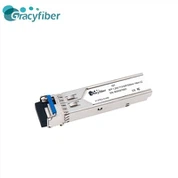
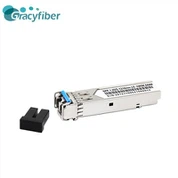
100G Optical Module - 100G Singlemode Optical Module
The 100GBase-DR1 specs are compatible with the single lambda short reach single-mode 100G QSFP28 optical module transceiver known as the QSFP-10000-DR1. It utilizes a PIN receiver and a single 1310nm EML laser. On the QSFP28 interface, there are 4x 25G NRZ electrical channels, giving the interface a total speed of 100G.

- Product Introduction
100G single-mode optical module is a high-speed, high-density, pluggable optical module, which can support 100Gbps data transmission rate. The module adopts single-mode optical fiber transmission, which has high transmission distance and low power consumption.
The product is mainly for users who need high-speed data transmission, such as data centers, cloud computing, high-performance computing and other fields. It can be used to connect between servers, storage devices, network switches and other devices to achieve high-speed data transmission.
Product Features
1. High-speed transmission: 100G single-mode optical module supports 100Gbps data transmission rate, which can meet the demand of high-speed data transmission.
2. High density: 100G single-mode optical module adopts pluggable design, which makes the device more compact and improves the density of the device.
3. Single-mode fiber transmission: 100G single-mode optical module adopts single-mode fiber transmission, which has higher transmission distance and smaller power consumption.
4. Easy to install and maintain: 100G single-mode optical module adopts pluggable design, which is very easy to install and maintain and can reduce the maintenance cost of users.
Product Image

Product Applications
1. Data center: 100G single-mode optical modules can be used for high-speed data transmission between servers, between servers and storage devices, and between servers and network switches in data centers.
2. Cloud computing: 100G single-mode optical modules can be used for high-speed data transmission in cloud computing, such as data transmission between servers, between servers and storage devices, and between servers and network switches in cloud computing data centers.
3. High-performance computing: 100G single-mode optical modules can be used in the field of high-performance computing, such as high-speed data transmission between supercomputers.
4. Financial field: 100G single-mode optical modules can be used for high-speed data transmission in the financial field, such as securities trading, futures trading, foreign exchange trading, etc.
5. telecom field: 100G single-mode optical modules can be used for high-speed data transmission in the telecom field, such as data transmission of fiber optic communication networks.
6. Medical field: 100G single-mode optical modules can be used for high-speed data transmission in the medical field, such as medical image transmission, medical record transmission, etc.
Product parameters
| Single | 92*188 | 37*37*102 | 192PCS | 476PCS |
| King-Single | 107*203 | 37*37*117 | 180PCS | 420PCS |
| Double | 138*188 | 37*37*148 | 144PCS | 336PCS |
| Queen | 153*203 | 37*37*163 | 108PCS | 302PCS |
| King | 183*203 | 37*37*193 | 108PCS | 252PCS |
Lnstructions For Use
1. confirm that the interface type of the optical module matches the interface type of the equipment. 100G single-mode optical modules have LC, SC and other interface types, and you need to choose the right interface according to the actual situation.
2. Before connecting, you need to check whether the interface of the optical module and the device is clean and free from impurities and dirt. You can use a clean fiber cloth to gently wipe.
3. When connecting, you need to keep the interface of the optical module and the device aligned to avoid deviation or misalignment. If the connection does not work, do not forcefully insert it and need to check if the interface is correct.
Terms of Use
1. Before installation, the appearance of the optical module needs to be checked for damage or deformation, and if there is damage, it needs to be replaced in time.
2. When installing, it is necessary to avoid strong mechanical vibration or shock to avoid damage to the optical module.
3. When connecting, you need to keep the interface of the optical module and the device aligned to avoid deviation or misalignment. If the connection cannot be made, do not forcefully insert it and need to check whether the interface is correct.
4. During use, you need to avoid strong mechanical vibration or shock to the optical module, which may cause damage to the optical module.
5. In the process of long time use, need to regularly check the working status and performance of the optical module, such as checking whether the optical power is normal, the BER is too high, etc.
6. avoid the optical module to be in high temperature, high humidity or strong magnetic field environment for a long time, which may affect its performance and life.
7. When disassembling the optical module, you need to follow the correct operation steps to avoid damaging the optical module or other equipment.
Customer Comments
John Doe from California, USA: Comments
Jane Smith from London, UK: Comments
Pierre Dupont from Paris, France: Comments
Emily Brown from Sydney, Australia: Comments
Michael Lee from Auckland, New Zealand: Comments
Related Blogs
Product Video
You Might Also Like